The Middle East has long been the pulsating heart of global energy supply, a region whose geopolitical tremors invariably send shockwaves through international markets. The recent escalation of conflict in the Nahost (Middle East) has once again cast a stark spotlight on the fragility of global energy infrastructure, particularly its vital oil routes and refineries. While governments initially offered reassurances about diversified supplies, the immediate economic impact, colloquially understood as the Nahost Krieg Wirtschaft, has quickly become a palpable reality for consumers and businesses worldwide.
From surging fuel prices at the pump to the looming threat of higher heating and electricity bills, the conflict's reach extends far beyond its immediate battlegrounds. Understanding the intricate network of oil transportation and processing, and its vulnerabilities, is key to grasping the profound global energy implications of this ongoing strife.
The Middle East: A Geopolitical Energy Nexus
At the core of the global energy supply chain lies the Middle East, a region blessed with immense hydrocarbon reserves. Countries like Saudi Arabia, Iran, Iraq, Kuwait, Qatar, and the UAE collectively hold a significant portion of the world's proven oil and natural gas reserves, making them indispensable players in meeting global energy demand. This geographic concentration, however, also makes the region a focal point for geopolitical tensions. Any instability here carries the potential to disrupt a substantial portion of the world's energy supply, leading to immediate price volatility and long-term strategic re-evaluations.
The intricate web of production facilities, processing plants, and export terminals across these nations forms the backbone of the global energy landscape. Disruptions, whether through direct attacks, blockades, or even the perception of heightened risk, can trigger significant market reactions. The interconnectedness means that even localized incidents can have widespread consequences, affecting everything from manufacturing costs to consumer purchasing power.
Chokepoints and Vulnerabilities: The Strait of Hormuz & Beyond
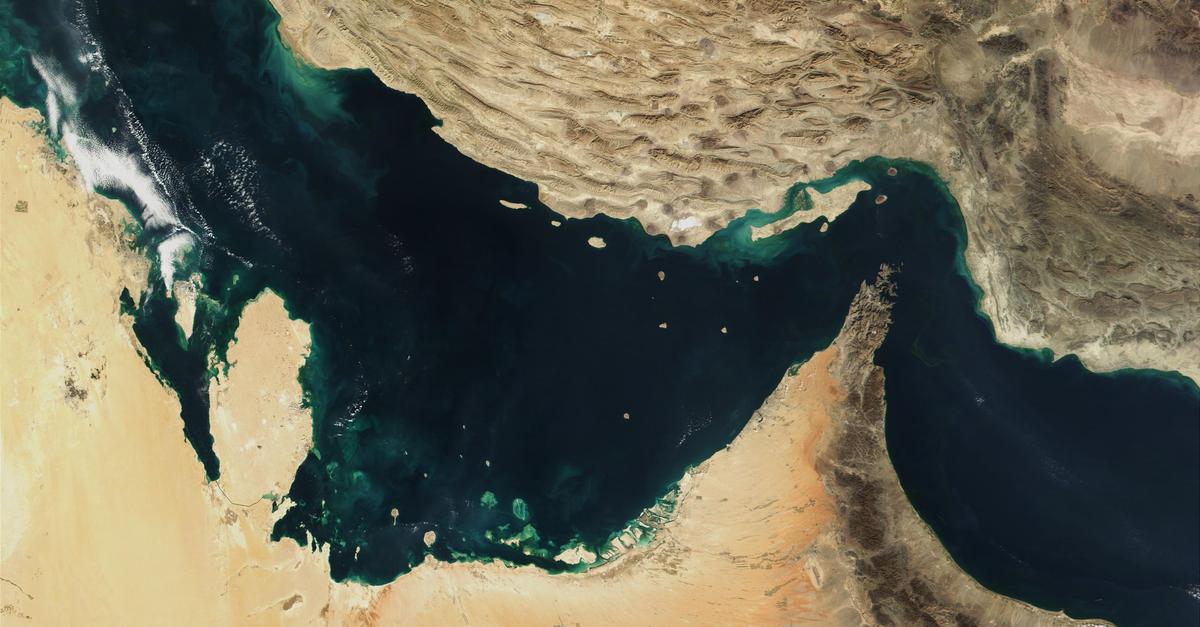
The most prominent symbol of this vulnerability is the Strait of Hormuz. This narrow waterway, connecting the Persian Gulf to the open ocean, is a critical chokepoint through which approximately one-fifth of the world's daily oil consumption passes. Its strategic importance cannot be overstated; any restriction or threat to shipping through the Strait immediately sends jitters through oil markets. Recent reports of Iran restricting vessel traffic through this vital artery directly contributed to initial oil price surges, demonstrating its potent leverage.
Beyond the Strait, the region is dotted with critical infrastructure that is equally susceptible to conflict. Oil refineries, natural gas processing plants, and extensive pipeline networks are high-value targets. For instance, the Saudi Arabian national oil company Aramco reportedly scaled down operations at its Ras Tanura oil refinery – one of the world's largest – as a precautionary measure following drone impacts on its premises. Similar preventative shutdowns or actual damages to facilities for the extraction, processing, and transportation of oil and gas have been reported. Furthermore, several oil tankers in the region have sustained significant damage, raising concerns about maritime safety and insurance costs for carriers.
Such incidents are not merely local headlines; they remove capacity from the global system, tighten supply, and fuel speculative trading, all contributing to higher crude oil prices. The direct impact on these physical assets underlines the inherent risks of relying heavily on a single, geopolitically sensitive region for a significant share of global energy supply.
Ripple Effect: From Refinery Shut-Downs to Global Fuel Prices
The moment global crude oil prices react to conflict, the ripple effect begins. Consumers at the pump are often the first to feel it. In Germany, for example, petrol prices soared to levels not seen in months shortly after the conflict escalated, primarily due to the rapid increase in oil prices. Experts widely anticipate this upward trend to continue unless the regional situation stabilizes or major producers increase output.
The impact isn't limited to vehicle fuel. Heating oil prices have shown an even more pronounced increase. Natural gas wholesale prices have also spiked, notably after an attack on QatarEnergy facilities led to a temporary halt in liquefied natural gas (LNG) production. While immediate consumer prices for heating oil and natural gas might not reflect these surges due to long-term contracts and the infrequent nature of tank refills, the pressure builds. As Klaus-Jürgen Gern of the Kiel Institute for the World Economy (IfW Kiel) explains, the price consumers pay is largely determined at the point of tank refilling, and energy providers typically take time to pass on wholesale price increases.
However, if gas prices remain elevated due to the conflict, electricity prices are also expected to rise. As Clemens Fuest, President of the Ifo Institute, points out, gas plays a significant role in electricity generation, particularly in many European nations. This means the overall energy bill for heating and electricity could become substantially more expensive for households and businesses. The broader Middle East War: How Soaring Fuel Prices Hit German Consumers illustrates this acute pressure.
Beyond direct energy costs, the Nahost Krieg Wirtschaft extends to broader economic ramifications. Increased transport costs for goods due to higher fuel prices feed into inflation across various sectors. Businesses face reduced profit margins, potentially leading to higher prices for consumers or reduced investment. Supply chains, already strained in recent years, face renewed pressure, and global economic growth forecasts may need downward revisions.
Navigating Uncertainty: Strategies for Resilience
Amidst this energy market turbulence, governments and industries are compelled to strategize for resilience. The German government, for instance, initially reassured its citizens of a "good and diversified" oil and gas supply, highlighting previous efforts to broaden sourcing after other geopolitical crises. Strategic petroleum reserves, held by many nations, also provide a short-term buffer against acute supply shocks.
On the supply side, the role of international organizations like OPEC+ (Organization of the Petroleum Exporting Countries and its allies) becomes critical. Their announced willingness to increase production volumes if the situation stabilizes offers a glimmer of hope for more moderate prices in the medium term. However, such decisions are often influenced by internal group dynamics and global demand-supply balances that are constantly shifting.
For individuals and businesses, navigating this uncertainty involves practical steps. Energy efficiency measures, from improving insulation to optimizing heating systems, can mitigate the impact of rising costs. Diversifying energy sources where possible, and exploring alternative transport methods, also offers a degree of protection. Long-term, the conflict underscores the strategic imperative for nations to accelerate their transition to renewable energy sources, thereby reducing dependency on volatile geopolitical regions. The debate over Germany's Energy Future: Middle East War's Ripple on Gas & Electricity is a prime example of this ongoing shift in policy thinking.
Practical Tips for Mitigating Energy Cost Impacts:
- Monitor Consumption: Regularly check your energy usage for heating, electricity, and fuel.
- Energy Efficiency: Invest in insulation, use energy-efficient appliances, and consider smart thermostats.
- Driving Habits: Adopt fuel-efficient driving techniques, consolidate trips, or explore public transport/carpooling.
- Budgeting: Factor in potential energy price increases when planning household or business budgets.
- Review Contracts: Check your current energy supplier contracts for gas and electricity; compare offers if your fixed-price period is ending.
The interplay of geopolitical events and global energy markets is a complex dance, with the Middle East often dictating the rhythm. While the immediate consequences of the current conflict are being felt at the pump and in energy bills, the long-term impact on global energy policy, investment in alternative sources, and the quest for greater energy independence will be profound. The stability of oil routes and refineries in the Middle East remains a critical determinant of global economic health, making the call for de-escalation and diplomatic solutions not just a humanitarian plea, but an economic imperative for the entire world.